


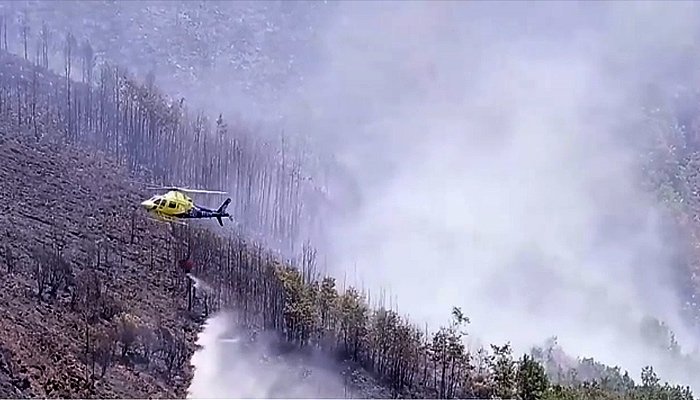
Across Europe, communities are once again facing the challenges of an intense summer as a second heatwave brings exceptionally high temperatures to many regions. In northwestern Spain, firefighters continue working tirelessly to contain severe wildfires, while local authorities encourage residents and visitors to follow safety guidance and remain alert.
Despite these difficult conditions, the response has highlighted the strength of cooperation among emergency services, scientists, healthcare professionals, volunteers, and local communities. Their coordinated efforts are helping protect lives, support vulnerable residents, and reduce the impact of extreme weather.
Germany’s Robert Koch Institute estimates that approximately 5,120 heat-related deaths have occurred in the country so far this year, with around 4,270 involving people aged 75 and older. These figures underscore the importance of heat preparedness, especially for older adults and those with existing health conditions.
Experts continue to encourage practical measures that can make a meaningful difference: staying hydrated, limiting outdoor activity during the hottest hours of the day, checking on elderly family members and neighbors, and following guidance from local authorities. Cities across Europe are also expanding cooling centers, improving early-warning systems, and investing in greener urban spaces to strengthen resilience against future heatwaves.
While the current conditions remain challenging, they also reinforce the value of preparedness, scientific monitoring, and community solidarity. With informed action and continued cooperation, Europe is taking important steps to protect public health, support emergency responders, and build greater resilience in the face of a changing climate.
