


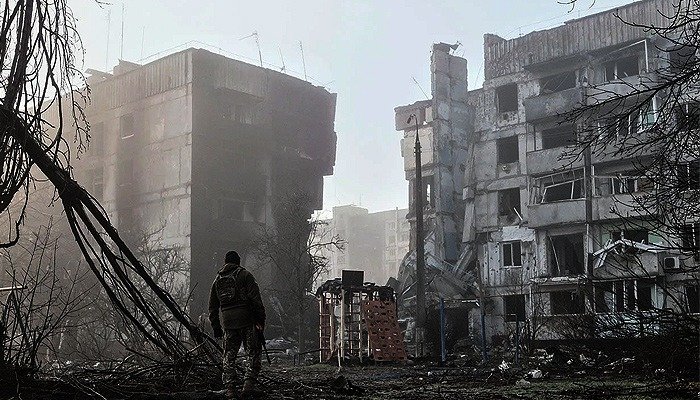
A recent battlefield assessment suggests that the long-running conflict between Russia and Ukraine may be entering a new phase, with reports indicating that Russian forces have experienced their first measurable territorial setback since October 2023. Analysts say the development reflects a gradual change in momentum rather than a dramatic breakthrough, as both sides continue intense operations across eastern and southern Ukraine.
According to international media reports and independent military assessments, Ukrainian forces have managed to regain limited positions in several contested areas after months of sustained Russian advances. The reported reversals are being viewed by observers as a sign that the conflict is becoming increasingly difficult and costly for all parties involved.
Military experts note that the war has evolved into a prolonged struggle of resources, logistics, and endurance. While Russia continues to maintain pressure along multiple fronts, Ukraine has intensified targeted counter-operations supported by advanced surveillance, drone warfare, and defensive coordination with Western allies.
Regional analysts believe the latest developments underline the importance of diplomacy and long-term regional stability. Countries across Asia and the broader Eurasian region are closely monitoring the conflict because of its impact on global food supplies, energy markets, and trade routes.
Despite ongoing hostilities, humanitarian organizations continue to call for civilian protection and renewed peace efforts. Millions of people in the affected regions remain displaced, while reconstruction needs continue to grow.
Observers say the current phase of the war demonstrates that battlefield control can change gradually over time, depending on military strategy, economic resilience, and international support. Although neither side appears close to a decisive victory, the latest reports suggest that the conflict’s trajectory remains dynamic and subject to rapid developments.
For regional audiences, the situation also highlights the broader importance of political dialogue, economic cooperation, and peaceful conflict resolution in maintaining stability across neighboring regions.
