


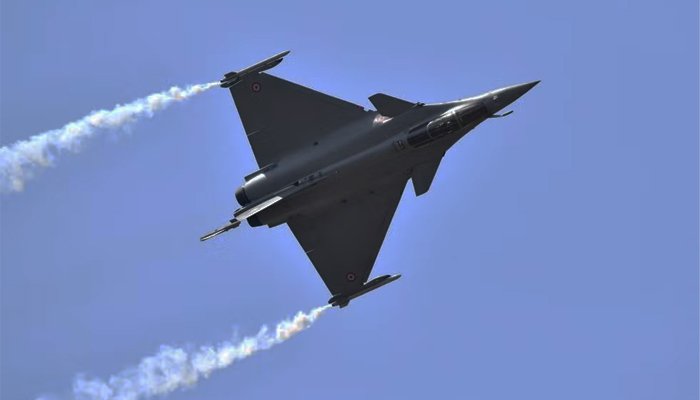
In a significant development for European defence, Germany and France have decided to discontinue the fighter aircraft portion of their ambitious Future Combat Air System (FCAS) programme after years of industrial disagreements between key partners. Despite the setback, leaders on both sides have signaled that wider defence cooperation remains firmly on track.
The FCAS initiative, launched in 2017, was designed to create a next-generation combat aircraft supported by drones, sensors and advanced digital networking systems. However, persistent differences between France’s Dassault Aviation and Europe’s Airbus over leadership, technology control and intellectual property rights ultimately proved impossible to resolve.
According to German officials, Chancellor Friedrich Merz and President Emmanuel Macron discussed the matter during recent talks and concluded there was no realistic path to overcoming the deadlock between industry partners. Officials said the companies involved were “unable to reach an agreement” on the construction of a joint fighter aircraft.
While the decision marks the end of the flagship fighter jet element, both governments have emphasized that cooperation will continue in other areas. A German government official stated that the broader FCAS concept — including the “system of systems” and the highly secure “combat cloud” network connecting aircraft, drones and other assets — will continue as a European project.
French officials also struck a constructive tone, indicating that Paris remains committed to supporting new European defence initiatives and maintaining close collaboration with partners where interests align.
Analysts view the decision as a disappointment for Europe’s defence-industrial ambitions, but not necessarily the end of Franco-German military cooperation. Both countries continue to share strategic interests in strengthening European security and developing advanced defence technologies, even if future programmes may take a different form.
For now, the fighter jet project may be ending, but officials on both sides are presenting the move as a pragmatic decision aimed at clearing the way for more achievable defence partnerships in the years ahead.
