


Athens, Greece | October 21, 2026
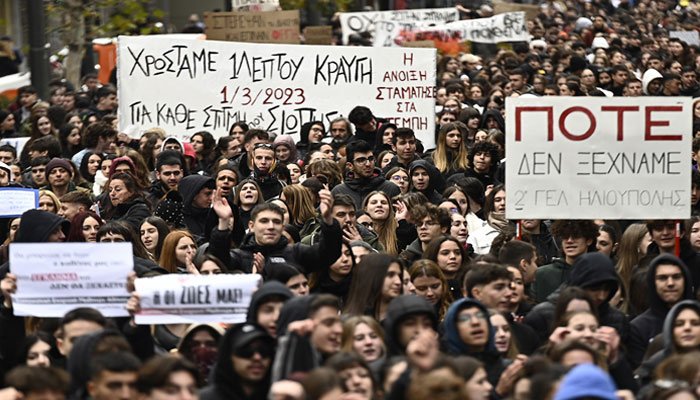
Greece is once again at the centre of an important public conversation about education, economic well-being and the future of its younger generation. Thousands of students, teachers and public-sector workers gathered in Athens and other Greek cities on Wednesday, calling for stronger investment in public education, improved school facilities, better staffing and more affordable living conditions. Despite the seriousness of their concerns, the demonstrations in Athens were reported to have remained peaceful, reflecting the importance of civic participation and open dialogue in a democratic society.
According to reporting by Reuters and the Associated Press, approximately 10,000 people took part in the rally in Athens and its surrounding areas, with further demonstrations held in Thessaloniki and other parts of the country. Participants highlighted challenges facing Greece’s education system, including staff shortages, crowded classrooms, school maintenance and the financial pressure experienced by students trying to secure accommodation. Their message was straightforward: access to quality education and a reasonable standard of living should remain achievable for ordinary families.
The cost of living has become a central concern, particularly for young people and households in major urban centres. High rents, energy expenses and everyday costs can place considerable pressure on wages and family budgets. University students, in particular, face the challenge of balancing educational ambitions with the cost of housing and other essential needs. These concerns are not unique to Greece; similar debates are taking place across Europe, where governments are being asked to ensure that economic progress translates into practical improvements in people’s daily lives.
Education remains one of the most important areas for long-term investment. Greece’s government has pointed to planned spending of more than €733 million on student accommodation and improvements to educational facilities, according to Reuters reporting. Such commitments provide a starting point for addressing public concerns, although their eventual impact will depend on implementation, the distribution of resources and whether students and teachers experience meaningful improvements. Continued engagement between authorities, educators, students and families will be essential to achieving lasting results.
Greece’s wider economic journey also provides important context. Following the severe sovereign-debt crisis and years of austerity between 2009 and 2018, the country has worked to restore economic stability and strengthen confidence in its future. That recovery is significant, but economic indicators alone cannot capture every household’s experience. The continuing debate over wages, housing affordability and public services demonstrates why inclusive growth matters: progress is strongest when it creates opportunities for younger generations while supporting workers, families and vulnerable communities.
There is reason for measured optimism. Public demonstrations can bring difficult issues into the national conversation, encourage accountability and help identify areas where policy needs improvement. Peaceful participation, responsible journalism and constructive discussion can all contribute to democratic resilience. At the same time, public expectations must be matched by realistic plans, transparent spending and sustained efforts to improve services.
For Greece, the challenge is not simply to maintain economic recovery but to ensure that its benefits reach people in practical ways. Better-equipped schools, adequately staffed classrooms, accessible student housing and employment opportunities would help young people build their futures with greater confidence. These goals require cooperation between government institutions, local authorities, educators, businesses and civil society.
As Greece looks ahead, the public debate offers an opportunity to turn concern into constructive action. The country’s future will depend not only on economic performance but also on the quality of its institutions, the strength of its education system and the opportunities available to its citizens. A society that listens to its younger generation and responds with effective, fair policies is better positioned to build lasting prosperity.
