


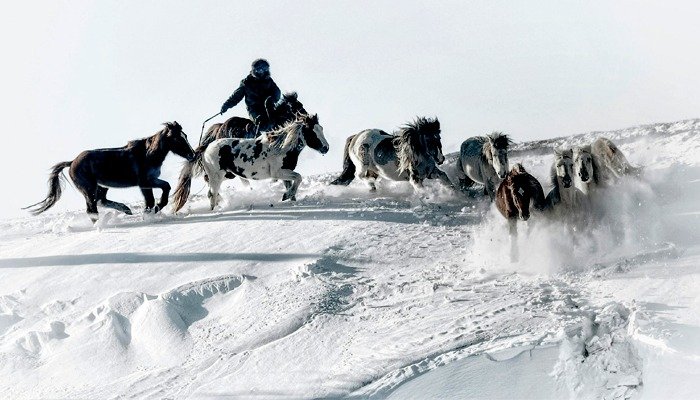
Horses are central to Mongolian culture, symbolizing wealth, identity, and a deep connection to the nomadic lifestyle.
Wealth and status:
In traditional Mongolian society, a herder’s wealth is closely tied to the number and quality of horses, which serve as financial security and social standing.
Identity and mobility:
Horses enable the mobile, pastoral lifestyle of nomads, allowing rapid movement across vast grasslands for grazing, migration, and daily tasks. This mobility reinforces a collective identity tied to the steppe environment.
Cultural symbolism:
In art, folklore, and spirituality, horses symbolize freedom, strength, endurance, and harmony with the land. They appear in stories, rituals, and ceremonies as revered partners rather than mere livestock.
Everyday utility:
Mongolian households often organize daily life around horses, using them for transportation, herding, and provisioning. Each family member may have a horse, reflecting individualized bonds and responsibilities.
Historical impact:
The horse-based nomadic system shaped military and social structures across eras, including the frontier and empire-building dynamics of the region.
Continuity and evolution:
While modernization integrates trucks and other technologies, horses remain a potent cultural symbol and practical asset in rural areas, with ongoing traditions in racing, skills, and horsemanship preserved among communities.
