


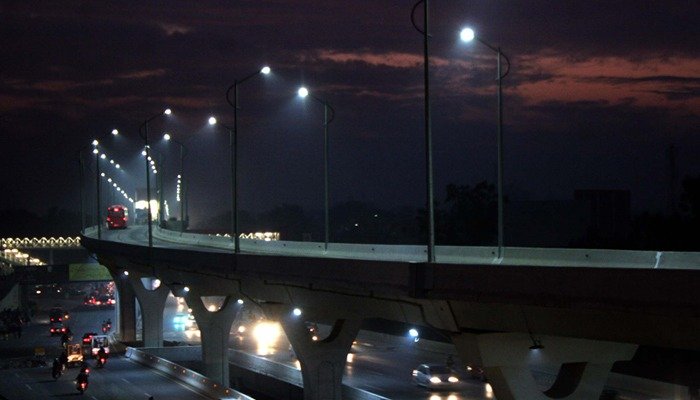
ISLAMABAD: The Metro Bus service in Islamabad/Rawalpindi has become a significant addition to the city’s public transportation network, offering multiple advantages to commuters, the environment, and urban development. Metro Bus provides cost-effective travel compared to private taxis and ride-hailing services, making daily commuting easier on household budgets. Its stops are strategically located to serve major residential, commercial, and educational areas.
Buses travel in dedicated lanes, reducing delays caused by regular traffic congestion, and operate on fixed schedules, helping passengers plan their journeys with predictability and minimal waiting time. By encouraging people to leave private vehicles at home, the Metro Bus helps reduce traffic congestion, which in turn improves overall travel speed for all road users.
Shifting commuters from private vehicles to buses also lowers fuel consumption and air pollution, while buses can transport more passengers per trip, decreasing the overall carbon footprint. The modern fleet of air-conditioned buses with spacious seating provides a comfortable ride, and well-maintained vehicles along with trained staff ensure passenger safety.
The service caters to students, daily workers, and senior citizens, supporting mobility for all socioeconomic groups. Dedicated platforms and priority seating make boarding easier for differently-abled and elderly passengers. The system also generates employment opportunities, from drivers and staff to maintenance personnel, and improved connectivity boosts access to businesses, markets, and services.
The bus corridor supports future infrastructure growth and integration with other mass transit systems, while helping shape organized urban transport policies and reducing chaotic traffic patterns. Predictable travel reduces stress and saves time during peak hours, and commuters do not have to worry about finding parking in busy city areas.
In summary, the Metro Bus service in Islamabad has enhanced public mobility, environmental sustainability, and economic activity, while making everyday travel more efficient, affordable, and comfortable for citizens.
