


Southeast Asian countries are preparing to discuss fuel supplies, rising energy costs and regional security as the Middle East conflict continues to affect global markets.
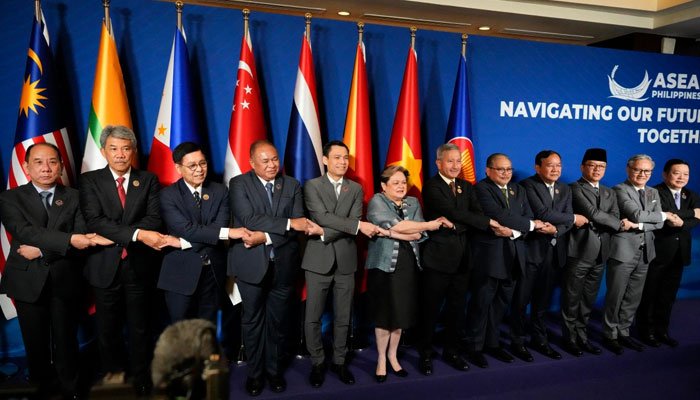
Leaders of the Association of Southeast Asian Nations (ASEAN) are expected to discuss new measures to strengthen regional energy security during their upcoming summit in Manila.
The three-day meeting, scheduled for November 15–17, will bring together leaders from the 11 ASEAN member countries, along with representatives of several major international partners.
Philippines President Ferdinand Marcos Jr. is hosting the summit as his country holds the organisation’s rotating chairmanship.
According to Dominic Xavier Imperial, spokesperson for the Philippine ASEAN chairmanship, regional leaders are expected to consider additional measures to address energy supply problems caused by the conflict in the Middle East.
The crisis has affected international oil and gas shipments, particularly through the Strait of Hormuz, an important route for global energy transportation.
ASEAN countries depend heavily on imported energy, making them vulnerable to supply disruptions and higher fuel prices.
The Philippines, Cambodia and Thailand have experienced significant increases in fuel costs, putting additional pressure on households and businesses.
One proposal under discussion is the establishment of a regional oil stockpile that could help member countries manage emergency shortages.
ASEAN members are also working towards stronger cooperation in sharing petroleum supplies during periods of serious disruption.
Other issues expected on the summit agenda include food security, regional trade, Myanmar’s political crisis, the South China Sea and protection for migrant workers.
The meeting will provide an opportunity for Southeast Asian leaders to discuss common economic and security challenges and explore ways to strengthen regional cooperation.
