


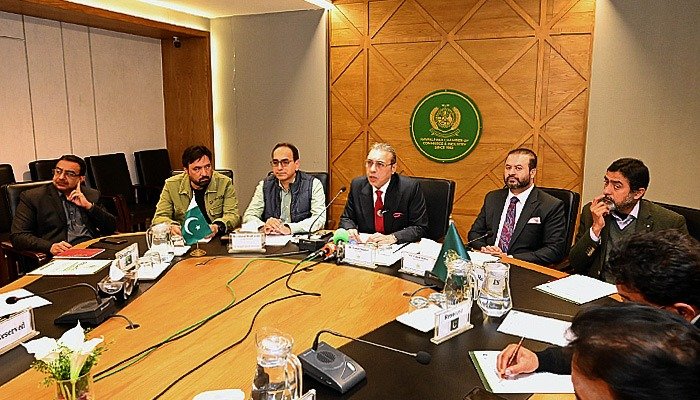
RAWALPINDI: Rawalpindi Chamber of Commerce and Industry President Usman Shaukat, while addressing a press conference following the visit of the chamber’s high-level trade delegation to the United States, highlighted the strong interest of investors in several sectors and stressed that structural economic reforms are necessary to open up to large-scale foreign investment.
He said that US investors have expressed keen interest in Pakistan in sectors including rare earth minerals, mining, information technology, pharmaceuticals, healthcare, medical devices, construction and data infrastructure. There is a need to focus on non-traditional sectors, targeted policy support, especially for the mining sector, can position Pakistan as a competitive destination for global capital.
He said that countries around the world are strengthening economic ties with the United States, with the bilateral trade volume between Pakistan and the United States standing at around $10 billion. He stressed that the strong diplomatic relations between Pakistan and the United States should be effectively leveraged to enhance trade, investment and technology partnerships.
The RCCI delegation included leading business figures from IT, pharmaceuticals, healthcare, medical devices, construction and related sectors. During meetings with US lawmakers, government agencies and business organizations, US stakeholders highlighted the importance of investor protection, legal certainty and policy continuity to facilitate investment in Pakistan.
Usman Shaukat said that a major business conference will be held in the United States on March 24 to promote bilateral investment and trade cooperation, bringing together prominent Pakistani businesspeople.
He said that the prices of medicines in the US are among the highest in the world, which creates opportunities for Pakistan to increase cooperation in medical devices and healthcare products. Various US states have also indicated their willingness to deepen trade relations with Pakistan, the chamber is keen on rapid progress in B2B trade relations that will ensure mutual economic benefits for Pakistan.
He expressed the hope that continued engagement with international institutions would help in economic stability and business facilitation.
Highlighting domestic challenges, he pointed to regulatory burdens, tax pressures, and limited institutional support for SMEs. He stressed the need for effective mediation mechanisms and confidence-building measures to strengthen the investment climate
